
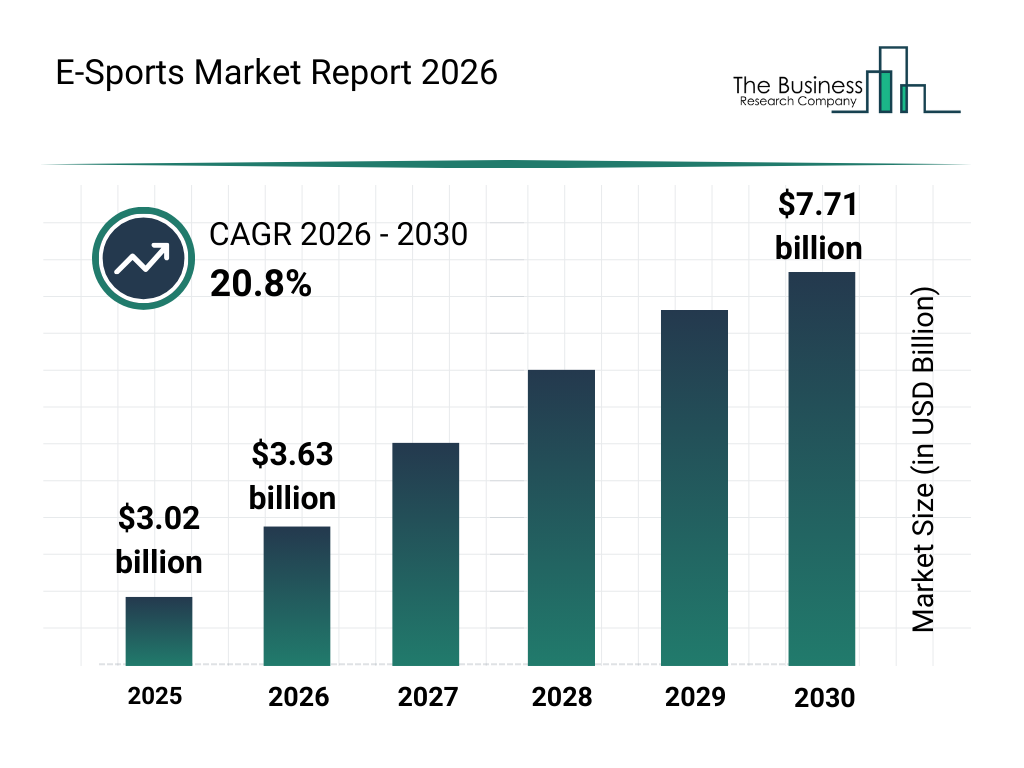
The https://www.togel123.com/ market shift is transforming the global gaming industry at an unprecedented pace. What was once dominated by niche tournaments and small communities has evolved into a sophisticated ecosystem driving billions in revenue, shaping entertainment, and redefining competitive landscapes.
This shift is fueled by changing consumer behaviors, technological advancements, and strategic investments from brands and organizations. Understanding the forces behind this market shift is crucial for players, teams, investors, and fans who want to navigate the future of esports.
Expanding Audience
One of the most significant indicators of the esports market shift is the explosion of the audience base. Millions of viewers worldwide tune in to watch live streams, tournaments, and highlight reels.
Platforms like Twitch, YouTube Gaming, and TikTok Gaming have made esports accessible globally. The rise of mobile esports also attracts casual players, broadening the demographic and increasing engagement across age groups and regions.
Revenue Transformation
The market shift is heavily driven by diversified revenue streams. Esports now generates income through sponsorships, media rights, merchandise, ticket sales, and digital content monetization.
Brands outside the traditional gaming sector are investing heavily. Technology companies, apparel brands, and even mainstream entertainment industries recognize esports as a high-impact marketing platform targeting younger, engaged audiences.
Sponsorship Dynamics
Sponsorship models are evolving with the market. Companies now invest in full-fledged team partnerships, event sponsorships, and content collaborations rather than simply advertising products.
These partnerships enhance brand visibility and strengthen player and team profiles. The esports market shift shows a move from ad-based promotion to integrated marketing strategies that blend performance and branding.
Technology Integration
Advanced technology is reshaping the competitive landscape. High-speed internet, streaming software, VR/AR experiences, and AI-driven analytics provide both players and audiences with immersive experiences.
Teams leverage analytics to optimize strategies, while fans enjoy interactive and real-time engagement. Technology adoption is central to the market shift, bridging the gap between entertainment, competition, and business.
Professionalization Growth
Esports organizations are operating like traditional sports franchises. Players receive structured training, coaching, nutrition guidance, and psychological support.
The professionalization of esports ensures that talent development, team cohesion, and brand management are all optimized for long-term success. This evolution marks a clear departure from the informal, hobbyist roots of competitive gaming.
Global Tournaments
The scale and scope of esports tournaments reflect the market shift. Events now feature multi-million-dollar prize pools, international team participation, and high-production broadcasts.
Competitions like the League of Legends World Championship, Dota 2’s The International, and Valorant Masters illustrate how esports has become a global spectacle, drawing audiences comparable to traditional sporting events.
Player Monetization
Professional players are experiencing unprecedented financial opportunities. Beyond tournament winnings, revenue streams include streaming subscriptions, merchandise sales, sponsorship deals, and content creation.
This economic shift allows players to focus on performance, invest in personal branding, and create sustainable careers. Player monetization reflects the maturation and commercial viability of the esports market.
Content Ecosystem
The esports market shift is also a content revolution. Teams and players produce highlight reels, tutorials, behind-the-scenes footage, and live interactions to engage audiences.
Content strategies drive fan loyalty, extend brand reach, and create alternative revenue sources. This ecosystem demonstrates that esports is as much about entertainment and media as it is about competition.
Cultural Integration
Esports is becoming a mainstream cultural phenomenon. Collaborations with fashion brands, music festivals, and lifestyle influencers expand its presence beyond gaming.
The market shift reflects a blending of digital culture, entertainment, and competitive sports. Esports is no longer confined to gaming circles—it’s part of broader cultural trends influencing youth and digital media.
Investment Influx
Investor interest is surging as esports proves its profitability. Venture capital, franchise acquisitions, and event funding are driving growth.
The market shift is characterized by strategic investments that support infrastructure, player development, and global expansion. Financial backing ensures sustained innovation and professionalization of the industry.
Mobile Gaming Rise
Mobile gol88 is a major factor in the market shift. Games like PUBG Mobile, Free Fire, and Mobile Legends have democratized competitive gaming, especially in regions where PC or console access is limited.
Mobile tournaments attract massive audiences and new revenue channels, signaling a shift toward accessible, inclusive, and scalable esports experiences.
Educational Programs
Universities and schools are incorporating esports programs, scholarships, and research initiatives. This formal integration validates esports as a legitimate career path and academic pursuit.
Educational programs nurture future talent, promote strategic thinking, and support professional development. They ensure the sustainability of the esports market in the long term.
Future Outlook
The esports market shift signals continued exponential growth. Emerging technologies, expanding fan bases, and increasing brand partnerships point to a robust future.
Expect VR integration, AI-enhanced analytics, and global franchising to redefine how players compete and how fans experience esports. The industry is poised to rival traditional sports in both revenue and cultural impact.
Final Impact
The esports market shift is more than just financial growth—it’s a structural transformation of how competitive gaming is perceived and experienced.
From professionalized teams and global tournaments to diversified revenue streams and cultural influence, esports has matured into a dynamic industry with limitless potential.
The shift underscores that competitive gaming is no longer niche—it is a mainstream, global, and highly profitable ecosystem. Those who adapt to this new landscape will define the next era of digital competition and entertainment.