
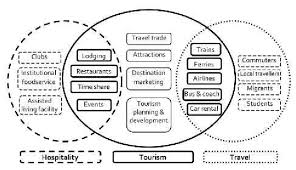
The Travel & Hospitality industry has evolved far beyond transportation and accommodation. Today, travel is closely connected with lifestyle choices, personal convenience, and memorable experiences that go beyond sightseeing. One important yet often overlooked aspect of modern travel is shopping tourism, where travelers plan trips around purchasing products, exploring markets, and enjoying premium retail experiences alongside comfortable hospitality services.
Travel as a Lifestyle Experience
Travel is no longer viewed as a break from routine alone; it has become an extension of personal lifestyle. Travelers want destinations that offer culture, cuisine, entertainment, and access to products they value. From luxury malls to local artisan markets, shopping has become an integral part of the travel experience.
Hotels and resorts are responding to this shift by positioning themselves near shopping districts, offering shuttle services to commercial hubs, and partnering with local retailers. This approach enhances guest satisfaction and increases the overall appeal of a destination.
The Rise of Shopping Tourism
Shopping tourism is growing rapidly across major cities and international destinations. Travelers often research shopping opportunities before choosing where to go. Factors such as price advantages, exclusive collections, and tax benefits influence destination decisions.
For many international travelers, buying electronics, fashion, or accessories abroad is part of the excitement. Some travelers specifically plan trips to destinations known for competitive pricing or early product releases. In this context, hospitality providers play a key role by offering guidance, transportation, and concierge support to help guests make the most of their shopping plans.
Hotels as Shopping Facilitators
Modern hotels are becoming active facilitators of shopping experiences. Concierge desks now provide more than restaurant recommendations; they guide guests on where to shop, when to visit popular stores, and how to navigate busy commercial areas.
Some hotels collaborate with nearby malls or retail outlets to offer exclusive discounts or private shopping hours for guests. This creates added value and strengthens the relationship between hospitality and retail sectors. Guests appreciate the convenience of trusted recommendations, especially in unfamiliar destinations.
Technology Supporting the Travel-Shopping Journey
Technology plays a vital role in connecting travel and shopping. Mobile devices help travelers compare prices, check store locations, and read reviews instantly. Digital payment systems make transactions faster and safer, reducing the need to carry cash.
Many travelers use their phones to plan shopping routes and track purchases. It is common for travelers to research where to buy iphone during international trips, comparing prices and availability before making a decision. This behavior reflects how technology and shopping are now seamlessly integrated into travel planning.
Airports as Retail Destinations
Airports have transformed into major retail environments. Duty-free stores, luxury boutiques, and electronic outlets are now central features of modern airports. Travelers often arrive early not just for security checks, but to explore shopping options.
For the Travel & Hospitality industry, this creates opportunities to enhance the overall journey. Comfortable lounges, efficient check-in services, and clear navigation contribute to a relaxed shopping atmosphere. A positive airport experience sets the tone for the entire trip.
Hospitality and Consumer Trust
Trust is a critical factor when travelers shop abroad. Guests rely on hotels and hospitality staff for honest advice on product authenticity, warranty considerations, and local regulations. A recommendation from a trusted hotel concierge can significantly influence purchasing decisions.
By providing accurate information and ethical guidance, hospitality businesses build credibility and long-term relationships with guests. This trust often extends beyond the stay, encouraging repeat visits and positive word-of-mouth.
Cultural Exploration Through Shopping
Shopping is also a way to experience local culture. Markets, craft shops, and traditional retail areas reflect the identity of a destination. Travelers enjoy discovering handmade products, regional designs, and unique souvenirs that tell a story.
Hotels that promote local shopping experiences support small businesses and contribute to sustainable tourism. Guided market tours, cultural shopping walks, and collaborations with local artisans enrich the guest experience while benefiting the community.
Sustainability in Travel and Retail
Sustainability has become an important consideration for travelers and hospitality providers alike. Conscious travelers prefer destinations and hotels that support ethical sourcing and environmentally responsible practices.
Hospitality businesses can promote sustainable shopping by encouraging guests to choose local products, eco-friendly brands, and responsible retailers. Reducing excessive packaging and promoting digital receipts also align with sustainability goals. These efforts reflect positively on both the destination and the hospitality brand.
Training Hospitality Staff for Modern Travelers
As travel and shopping become more interconnected, hospitality staff must be trained to support these evolving needs. Knowledge of local retail landscapes, tax policies, and consumer rights is increasingly valuable.
Well-informed staff enhance guest confidence and reduce uncertainty. When travelers feel supported, they are more likely to enjoy their shopping experiences and associate positive emotions with the hotel or destination.
The Future of Travel, Hospitality, and Shopping
The future of the Travel & Hospitality industry lies in creating holistic experiences that combine comfort, convenience, and lifestyle satisfaction. Shopping will continue to play a significant role, especially as global travel resumes and consumer demand grows.
Destinations that successfully integrate hospitality services with retail experiences will stand out in a competitive market. Technology, personalization, and cultural authenticity will be key drivers of success.
Conclusion
Travel today is about more than reaching a destination; it is about enjoying every aspect of the journey. Shopping has emerged as a powerful element of modern travel, influencing destination choices and enhancing overall satisfaction. The Travel & Hospitality industry has the opportunity to support this trend by offering seamless services, trusted guidance, and culturally rich experiences.
By understanding traveler motivations and adapting to evolving expectations, hospitality businesses can create memorable journeys that blend relaxation, exploration, and meaningful purchases into one complete experience.